Residential Pest Control for Your Home
Request an estimate from a local provider
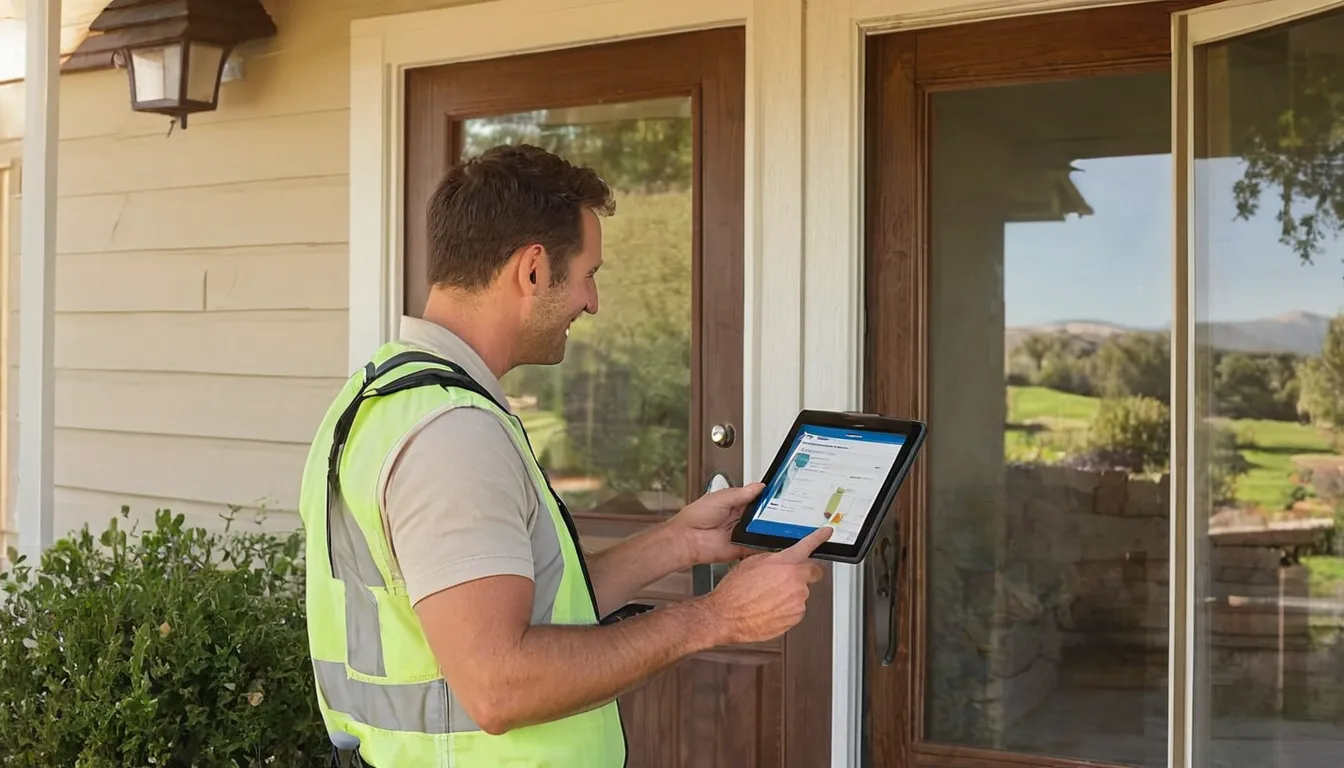
Pests in the house are stressful. Ants in the kitchen, mice in the garage and roaches under the sink all call for a calm, careful plan. Salaryaccompanied Pest Control is a referral service. We connect homeowners in the Logan area with independent providers in our network. The provider does the work, not Salaryaccompanied Pest Control.
This page shows you what residential pest control covers, what it can cost, and how to judge a provider. You will find clear do and do not advice, questions to ask, and answers that sound solid. Take your time, compare options, and choose a provider who explains the plan in plain words.
Pests in Your Home? Start Here
You saw something that should not be there. Maybe it was a trail of ants, a mouse dropping, or a roach at night. Stay calm. Most pest problems can be handled with a clear plan.
Salaryaccompanied Pest Control does not treat homes. We refer you to independent providers in our network. A search for an exterminator near me can turn up dozens of names. This page helps you sort them out.
Do This, Skip That Before Anyone Arrives
A few small steps protect your family and help the provider.
- Do note where you saw the pests and when.
- Do keep pets and kids out of the affected rooms.
- Do save a pest in a sealed bag or take a clear photo.
- Do not mix store-bought sprays. Fumes can build up indoors.
- Do not spray bug killer around a nest or hive. It can scatter the problem.
- Do not put out loose poison where kids or pets can reach it.
Why Acting Early Matters
Small problems grow. A few ants become a colony. A pair of mice can become a crowd. Roaches leave droppings and shed skins that can bother people with asthma or allergies.
Early action also tends to mean a simpler treatment. A small job often needs fewer visits than a problem that has spread into walls and crawl spaces.
Seasons matter too. Dry air and cold snaps push pests indoors. Fast spring melt and heavy rain can send ants and spiders looking for dry ground, often right into a basement.
What Residential Pest Control Covers
A good visit is more than a spray. Providers in our network usually start with an inspection. They look at the yard, the foundation, the attic, the garage and the rooms where you saw activity.
Then they explain what they found. A plan may include targeted treatment, sealing small entry gaps, and advice on moisture and food storage. Wood and stucco exteriors can hide gaps near vents, pipes and trim, so ask the provider to check them.
Common Pests Providers Treat
Here are the pests homeowners ask about most.
- Ants: Trails to food or water. Some species nest in wood.
- Spiders: Mostly harmless, but a few need careful handling.
- Roaches: Often tied to moisture, crumbs and cluttered cabinets.
- Crickets: Loud, and they come in as the weather shifts.
- Mice and rats: Gnaw wires and spread droppings. Big infestations may need a rodent specialist.
Termites and larger animals such as raccoons have their own service pages. Wildlife removal is a separate job from standard pest treatment.
Bed Bugs Need a Different Plan
Bed bug treatment is not a do-it-yourself job. Bug bombs and random sprays often push them into new rooms. Ask the provider how they confirm the problem and how many visits they expect.
You may be asked to wash bedding on high heat and reduce clutter. Follow the prep list closely. Skipping steps can mean more visits.
Questions to Ask About Product Safety
You have every right to know what goes in your home. Ask before you hire.
What a solid answer sounds like
A good provider names the product type, says where it will go, and explains how long to stay out of a room. They mention pets, kids and food areas without being asked. They also point you to the product label.
Red flags
Walk away if the provider will not name the products, pushes you to sign today, or says a treatment is safe for everyone with no detail. Vague answers are a warning sign.
One-Time Treatment or Ongoing Plan?
Some jobs need one visit. A single ant problem, for example, may clear up with one treatment and a few fixes around the house.
Others call for a recurring plan, such as roaches in an older building or mice near a field. Ask the provider why they suggest a plan and what each visit includes. A fair offer spells out the number of visits, what happens if pests come back, and how to cancel.
Ask Before You Hire
Use this short list when you talk to a provider.
- Are you licensed and insured in my state? Ask to see proof.
- Will you inspect first and explain what you found?
- What products will you use, and where?
- What do I need to do before and after?
- Can I get the quote in writing?
Good answers are specific and patient. Red flags include a price with no inspection, pressure to decide fast, and no written terms.
Planning Around a Busy Household
Plan around your week. Tell the provider about school runs, work hours, naps and pets. Many providers can offer time windows that fit your schedule, though availability varies.
Most visits are short. Ask how long you must stay out of treated rooms. Keep a simple plan for pets, such as a friend's house or a closed room during the visit.
Helping Treatment Work
Your part matters. Do this, skip that.
- Do store food in sealed containers.
- Do fix leaky pipes and dry out damp basements.
- Do trim plants and firewood away from the house.
- Do not wipe away treated areas right after a visit.
- Do not skip follow-up visits if the plan calls for them.
Request a callback to check provider availability, or use the request form to ask for an estimate.
What's Included
Home Inspection
The provider checks inside, outside, the attic and the garage to find where pests enter and nest.
Targeted Treatment
Products go only where they are needed, with label directions followed closely.
Entry Sealing
Many providers advise on sealing small gaps, vents and trim that let pests slip inside.
Follow-Up Advice
You get clear tips on prep, safe re-entry and what to watch for in the weeks after.
Typical Pest Control Costs
Prices vary by pest, home size and how far the problem has spread. These are typical U.S. ranges only. Always ask for a written quote after the inspection.
| Service | Typical range | Notes |
|---|---|---|
| Inspection visit | $75 – $200 | Some providers apply it to the treatment price |
| One-time general treatment | $150 – $400 | Common for ants, spiders and crickets |
| Quarterly plan (per visit) | $100 – $250 | Ongoing visits to stop pests from returning |
| Roach treatment | $150 – $600 | Often needs more than one visit |
| Bed bug treatment | $500 – $2,500 | Depends on rooms and method |
| Entry sealing and exclusion | $200 – $1,000 | Varies by number of gaps and access |
How It Works
Share Your Situation
Tell us the pest, the rooms affected and your timing using the request form.
Get Matched Locally
We connect you with an independent provider in our network.
Review the Quote
Ask your questions and get the plan and price in writing.
Schedule Around Your Week
Pick a time that fits your household, then follow the prep list.
Why Call Salaryaccompanied Pest Control
Safety First
We teach you what to ask about products, pets and kids before you agree to any treatment.
Clear Answers
Learn what a solid answer sounds like, so vague replies stand out.
Red Flags
Spot pressure tactics and missing details before you sign anything.
Local Providers
Independent providers in our network know the pests and climate in your area.
Other Services
Need residential pest control in Logan?
Tell us what you are seeing and where. We will point you to a local provider in our network. Request an estimate or ask about availability.
No obligationResidential Pest Control FAQ
How do I find an exterminator near me I can trust?
Ask for proof of license and insurance, a written quote after inspection, and the names of the products. Be careful with anyone who pressures you to decide fast or will not explain the plan.
Is residential pest control safe for kids and pets?
It can be when the provider follows the product label. Ask what will be used, where it goes, and how long to keep kids and pets out. A good provider answers plainly.
How much does residential pest control cost?
A one-time treatment often runs about $150 to $400 in the U.S. Ongoing plans and bigger problems cost more. Prices vary, so get a written quote after the inspection.
We service you here
Logan Trenton North Logan Smithfield Cove Lewiston Deweyville Elwood
Reach a local provider
Tell us what you are seeing and where. We will point you to a local provider in our network. Request an estimate or ask about availability.
No obligation